Integrated digital marketing is not a new channel. It is the practice of planning the channels you already have together: the same audiences, the same messages, the same pages and the same measurements. The result is that search, ads, email and reviews reinforce each other instead of competing for credit.
The cost of running channels separately
When each channel has its own vendor or owner, a few problems come up again and again:
- Different goals. The ad agency reports clicks, the SEO vendor reports rankings and the web team reports page views. Nobody reports calls or sales.
- Pages that do not match. An ad promises one thing and lands on a generic home page that says something else.
- Paying twice for the same buyer. Ads run on searches where you already rank first organically, while gaps in organic coverage get no attention.
- Lost information. A form fill goes into one system and a phone call into another, so nobody can see which marketing produced the customer.
What integration looks like
One set of goals
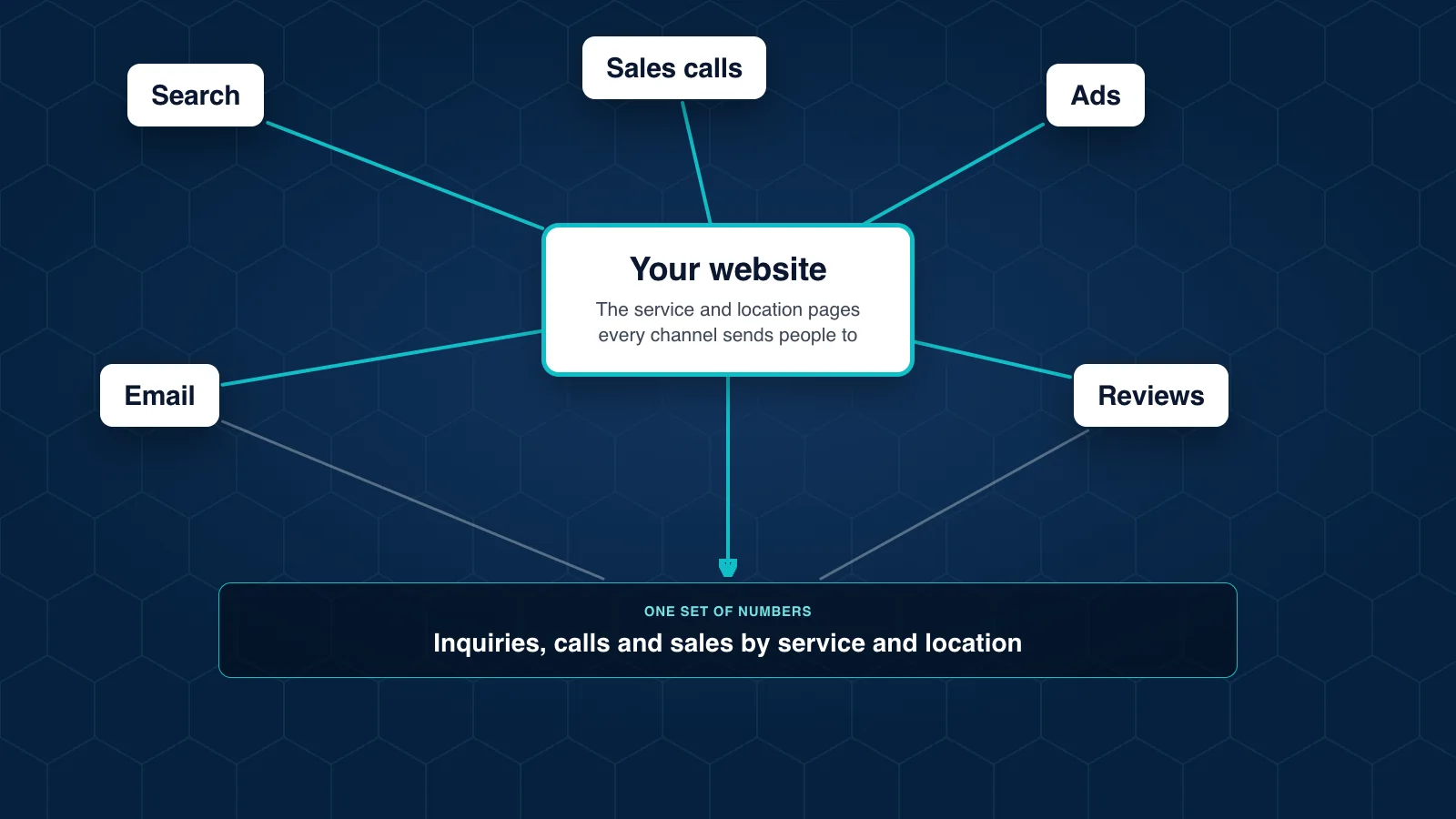
Agree on the few numbers that matter to the business, such as qualified inquiries, quote requests, calls or sales by service and location. Every channel reports against them.
One plan for each audience
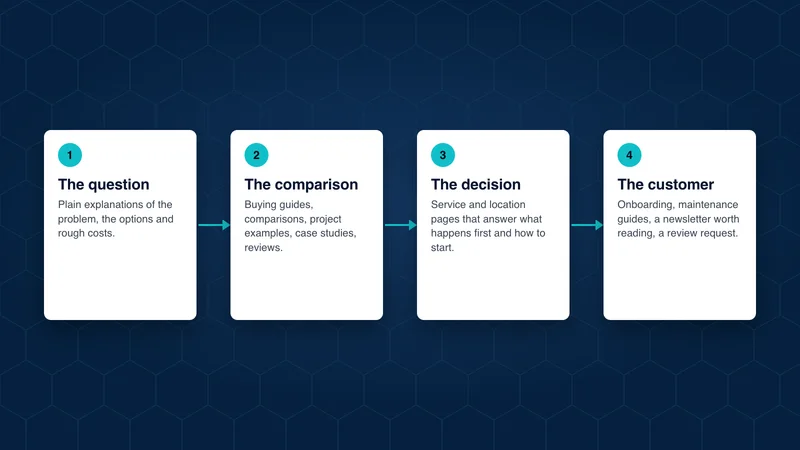
Decide who you are trying to reach, what they need to know at each stage, and which channel does each job. Search catches buyers who are already looking. Ads fill gaps and test messages quickly. Email keeps past customers and prospects informed. Reviews persuade the buyer who is comparing options.
Shared pages
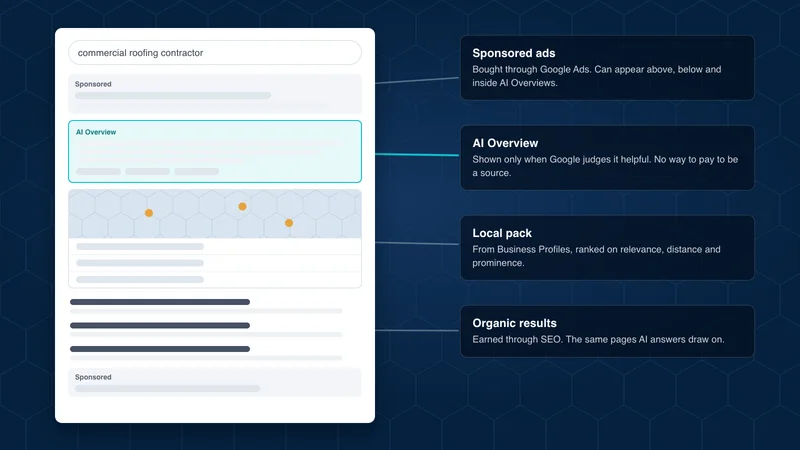
Ads, emails and social posts should send people to the same strong service and location pages that rank in search. Improving one page then helps every channel that uses it. Our article on how the results page is laid out shows how ads and organic results can cover different searches.
Shared measurement
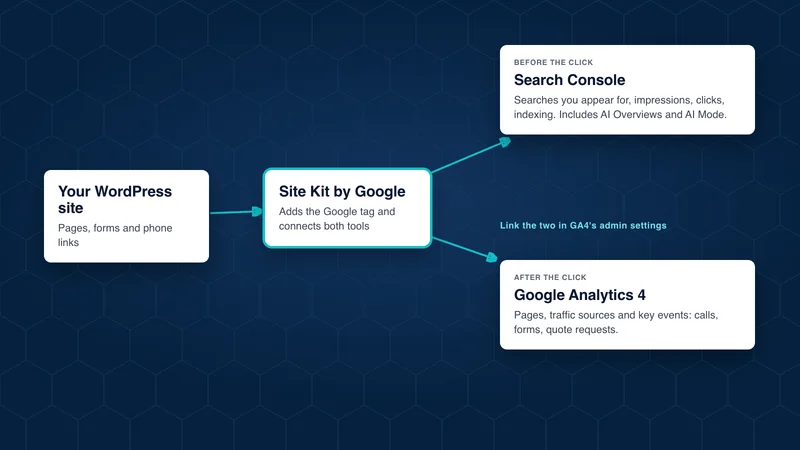
Track every channel into the same analytics property, with the same key events, so you can compare them. Tag links in emails and ads with UTM parameters so Google Analytics can tell them apart. Connect form and call data to your CRM where possible. Our guide to Google Analytics 4 and Search Console covers the setup.
What it looked like for HOPE Foods
For HOPE Foods, a national organic hummus and dip brand, website work, SEO, paid display and Amazon ran as one program rather than four separate projects. Over 16 months, monthly organic search impressions went from 15,000 to 800,000. After HOPE moved its display advertising from a previous vendor, attributable in-store visits passed 130,000 and the cost per thousand impressions fell by a factor of four. The campaigns directly contributed to the brand’s growth, and the HOPE Foods case study has the details.
Where to start
- List every channel you run, who runs it, what it costs and what it reports.
- Agree on two or three business goals that every channel will report against.
- Fix the measurement first, so you can see what each channel actually produces.
- Point every channel at your best pages, and improve those pages before adding new channels.
The same thinking applies beyond marketing. When the work that follows an inquiry also runs across separate systems, connecting it is the kind of work described on our AI engineering and consulting page.