A review is a customer telling the next buyer what it was like to work with you. That is why reviews carry weight with buyers and why Google uses them. It is also why the rules around them are strict: a review only helps anyone if it is genuine.

Why reviews matter
- They influence the decision. Your rating, the number of reviews and how recent they are appear beside your listing in Google Maps and Search, often before a buyer ever sees your website.
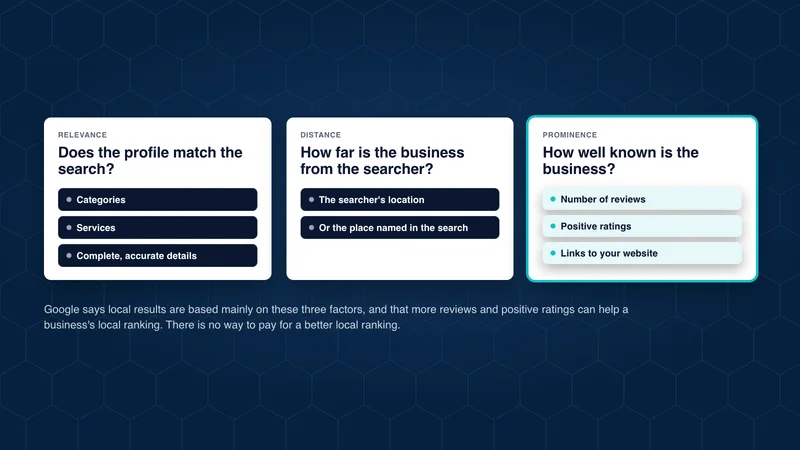
- They help local rankings. Google says local results depend on relevance, distance and prominence, and that “more reviews and positive ratings can help your business’s local ranking.” Our article on reviews and local rankings explains the details.
- They tell you what to fix. A pattern in reviews, good or bad, is honest feedback about how the work is landing.
Ask every customer
The most effective change most companies can make is to ask everyone, consistently, soon after the work is done. Google’s policy allows businesses to ask for reviews as long as they do not offer incentives or try to influence the rating or the content.
- Ask at the right moment: when the job is finished, the delivery is made or the issue is resolved.
- Ask everyone, not just the customers you expect to be happy. Asking selectively, sometimes called review gating, is against Google’s policy.
- Make it one tap. Send a direct link to the Business Profile for the location that served the customer. You can get the link from your Business Profile.
- Ask in the way the customer already talks to you: a text after a service call, a line in the invoice email, a card left with the crew.
- Keep the request neutral. “Would you leave us a review about your experience?” is fine. “Please leave us five stars” is not.
What is not allowed
Google’s review policies and the FTC’s rule on consumer reviews and testimonials, in effect since October 2024, rule out:
- Offering payment, discounts, free services or other incentives for a review. Google prohibits incentives of any kind for reviews. The FTC rule specifically bans incentives conditioned on a positive or negative review.
- Writing reviews yourself, having employees or relatives review the business without disclosing the connection, or buying reviews.
- Asking only happy customers, or discouraging unhappy ones.
- Threatening or intimidating someone to remove a negative review.
- Requiring a review on the spot, or setting staff quotas for reviews.
The FTC can seek civil penalties for knowing violations of its rule. Reviews that break Google’s policies are removed.
Reply to every review
Replies show buyers how you treat customers, and Google says replying “shows that you value their feedback.”
- Positive reviews: thank the customer by name and mention something specific about the job.
- Negative reviews: reply calmly and promptly, acknowledge the problem, and offer to resolve it directly with a name and a phone number. Do not argue in public or share private details.
- Unfair or fake reviews: reply politely and factually, and report reviews that break Google’s policies through your Business Profile.
Share what customers say
With permission, quote reviews on your website and in proposals. Keep the quotes exact, attribute them accurately, and do not edit them to sound better. The FTC rule also prohibits presenting the reviews on your own site as if they were all of them when negative ones have been held back.
Make it routine at every location
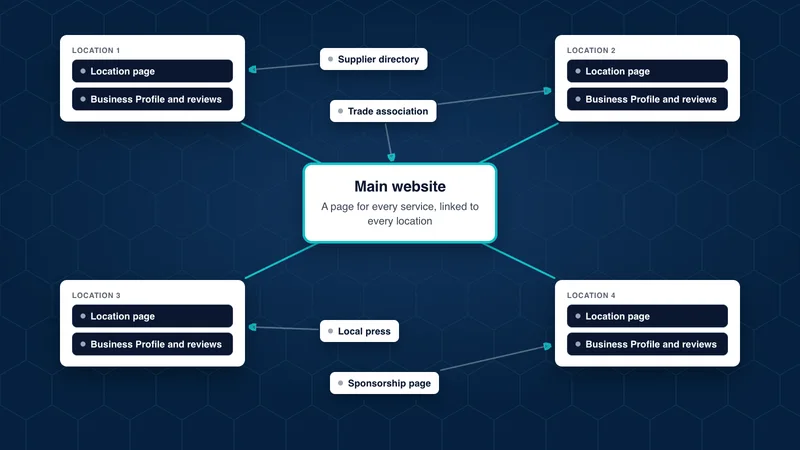
Assign someone at each location to send requests and reply to reviews, and check the numbers monthly: new reviews, average rating and response time. For Solace Pediatric, reviews were part of a wider search program. By June 2024, its four Colorado Google profiles held 837 reviews, each rated at least 4.7. The Solace case study describes the program.